Herbs
Bromelain, Ginger and Mucus: What Actually Helps Clear Your Chest
Thick mucus is one of the most annoying parts of a cold, allergies or a smoker's cough, and pineapple enzymes and ginger show up in many “clear your chest” products. Here's what helps first, what those two ingredients can and can't do, and when mucus is a reason to see a doctor.
Why mucus gets thick
Your airways make mucus all the time. It traps dust, germs and particles so tiny hair-like cilia can sweep them out. Colds, allergies, dry air, smoke and some lung conditions make the body produce more of it, and make it thicker and stickier. Thick mucus is harder to move, so the goal of most home measures is to keep it thin and loose.
Start with the basics
- Drink enough fluids. Water, broth and caffeine-free teas help keep mucus from becoming thick and sticky.
- Warm drinks and soups. Warmth and steam can loosen congestion and soothe the throat. For adults and children over one year old, a spoonful of honey in a warm drink is a traditional cough soother; never give honey to babies under one.
- Humid air. A cool-mist humidifier or a steamy shower can help in dry seasons. Clean humidifiers often so they don't grow mold or bacteria.
- Saline. Saltwater nasal sprays and rinses thin nasal mucus. For rinses, use distilled, sterile or boiled-and-cooled water, never water straight from the tap.
- Huff coughing. Take a medium breath, then breathe out forcefully with your mouth open, as if fogging a mirror. A few huffs followed by a gentle cough can move mucus with less strain than hard coughing.
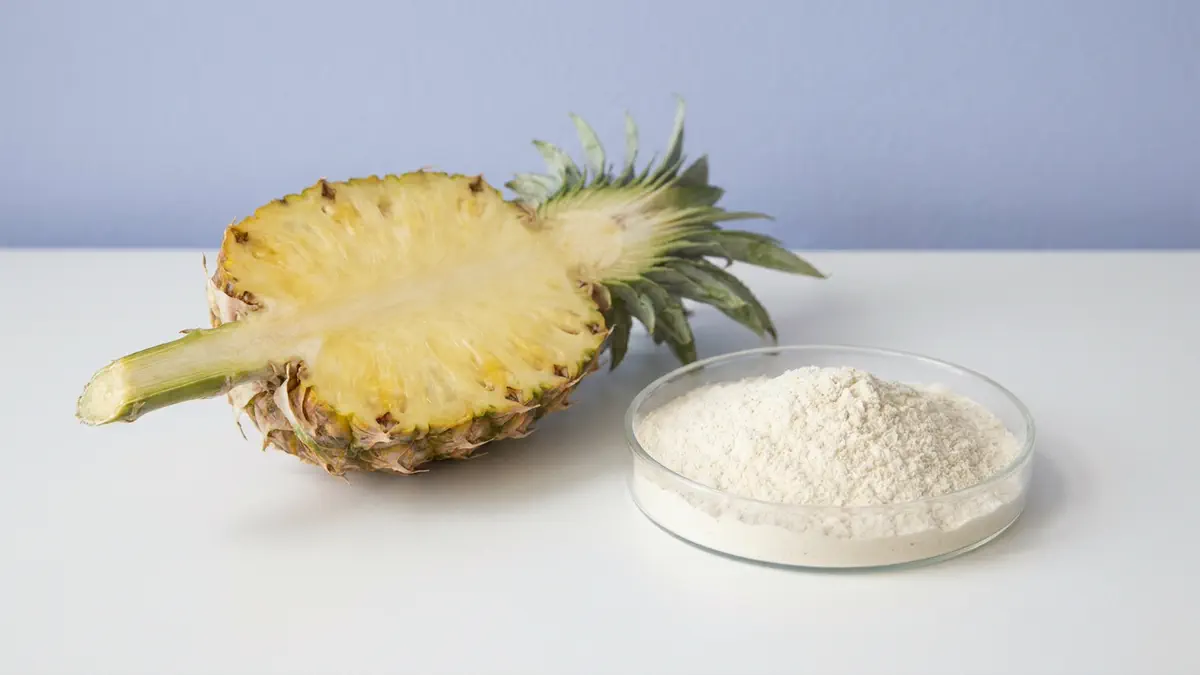
Bromelain: the pineapple enzyme
Bromelain is a group of enzymes extracted mainly from the stem and fruit of the pineapple plant. It breaks down proteins, which is why pineapple can tenderize meat. As a supplement, it has been studied mostly for swelling and inflammation, including some small studies on sinus swelling and nasal congestion. Results have been mixed, the studies are limited, and it isn't a substitute for treating a sinus infection or a lung condition.
Safety notes for bromelain:
- Avoid it if you're allergic to pineapple. People with some other allergies, such as to latex, may also react.
- It may increase bleeding risk, so check with your doctor if you take blood thinners or have surgery coming up.
- It can cause stomach upset and may interact with some antibiotics. Show your pharmacist the label.
Bromelain is often measured in units of enzyme activity rather than plain milligrams, so labels can be hard to compare. Eating pineapple is pleasant, but the fruit contains far less bromelain than the concentrated stem extracts used in supplements.
Ginger: comforting, but not a mucus treatment
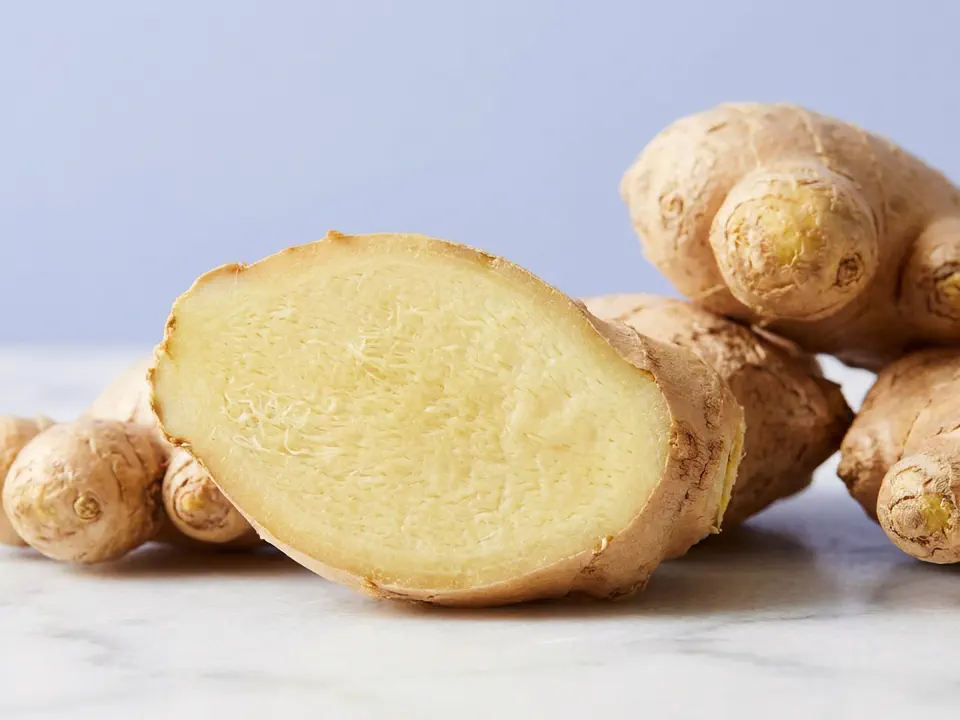
Ginger has a long history as a warming home remedy for colds, and a cup of ginger tea with lemon is soothing for many people. Ginger is best studied for nausea. Evidence that it thins mucus or treats respiratory infections is limited, so think of it as a comfort measure rather than a treatment. For another traditional option for the throat, see mullein for lungs.
In food amounts, ginger is safe for most people. Concentrated supplements can cause heartburn or stomach upset and may add to bleeding risk in people who take blood thinners.
What can make mucus worse
- Smoke and vapor. Tobacco smoke and vaping irritate the airways and increase mucus.
- Dry indoor heat. Forced-air heating dries the air; a humidifier helps in winter.
- Too little fluid. Alcohol and lots of caffeine can leave you less hydrated.
- Overusing decongestant nasal sprays. Using them longer than the label allows can cause rebound congestion.
And the old idea that milk creates extra mucus? Research hasn't shown that it does, although some people find milk makes mucus feel thicker in the throat. If it bothers you, skip it while you're congested.
When mucus means see a doctor
Most mucus from a cold clears on its own. Call your doctor if you notice:
- Mucus with blood in it
- A high fever, or a fever that lasts more than a couple of days
- Thick colored mucus with facial pain or pressure, or symptoms that last longer than a typical cold or improve and then get worse again
- Wheezing, chest pain or shortness of breath
- A cough that lingers for weeks
- Any of these on top of a lung condition such as asthma or COPD
Severe trouble breathing, blue lips or confusion need 911. If breathlessness is part of the picture, read when to worry about shortness of breath.
Frequently asked questions
Does bromelain help with mucus?
Bromelain, an enzyme mix from pineapple, has been studied in small trials for sinus swelling and congestion, with mixed results. Evidence is limited, and it isn't a substitute for treating an infection or a lung condition.
What is the fastest natural way to loosen mucus?
Fluids, warm drinks, humid air, saline sprays or rinses and huff coughing are simple first steps that help keep mucus thin and easier to clear. See a doctor if mucus comes with blood, fever or breathlessness.
Who should not take bromelain?
People allergic to pineapple, anyone taking blood thinners or preparing for surgery, and anyone on antibiotics should check with a doctor or pharmacist first. It can also upset the stomach.
Is ginger tea good for chest congestion?
It's a soothing warm drink, and warmth and fluids help many people feel better. Evidence that ginger itself clears mucus is limited.
Keep reading
 Herbs
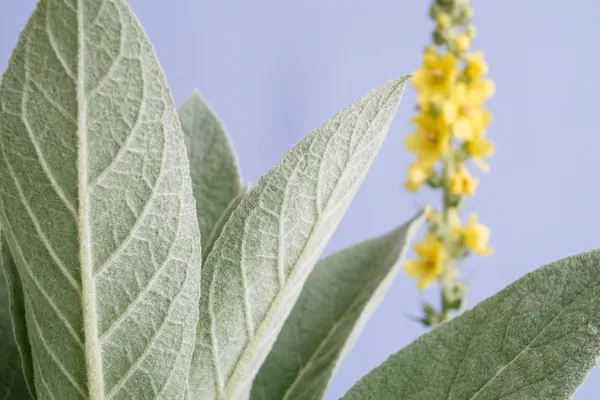
Mullein for Lungs: What This Old Herb Can and Can't Do
Mullein for lungs, explained: what the plant is, how it's used, what the evidence shows, how to make the tea safely and who should avoid it.4 min read Home & environment
Indoor Air and Your Lungs: Simple Changes at Home
Simple ways to improve the air you breathe at home: ventilation, cooking fumes, dust, humidity and mold, smoke and scents, air cleaners and radon testing.4 min readThis article is general information, not medical advice, and it doesn’t replace a conversation with your doctor or pharmacist. Last updated November 3, 2026. Spotted an error? Write to support@breathizen.blog.