Herbs
Mullein for Lungs: What the Fuzzy-Leaved Herb Can and Can't Do
Mullein tea has become a social-media favorite for coughs and “lung cleansing.” The plant does have a long history in home remedies. The evidence that it does anything specific for your lungs is much thinner, and a few practical details matter if you want to try it.
What mullein is
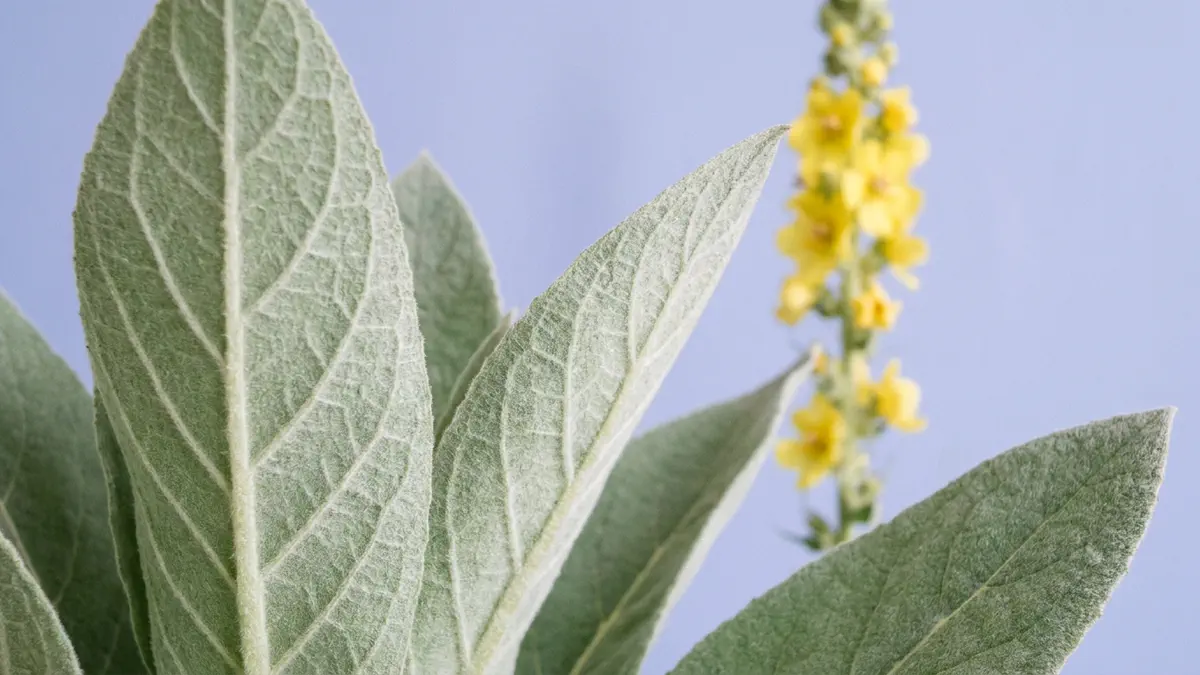
Common mullein, Verbascum thapsus, grows along roadsides, fields and empty lots across much of the United States. In its first year it forms a low rosette of large, soft leaves covered in fine hairs, which is how it earned folk names like flannel plant and velvet plant. In its second year it sends up a tall stalk crowded with small yellow flowers.
The leaves and flowers are the parts used in teas and supplements. The seeds are not: they contain compounds that have been considered toxic and are best left alone.
How it has traditionally been used
Mullein shows up in European and North American folk medicine as a remedy for coughs, hoarseness and chest congestion. The usual preparation was a tea of dried leaves or flowers. The plant contains mucilage, a slippery substance that swells in water and can coat and soothe an irritated throat, along with saponins and other compounds that traditional herbalists considered helpful for loosening phlegm.
That history explains why mullein appears in so many respiratory blends today. Tradition, though, is a record of what people used, not proof of what works.
What the evidence actually shows
- Lab studies have found compounds in mullein with antioxidant and anti-inflammatory activity, and some activity against microbes in a dish. Results in a dish don't tell us what a cup of tea does in a person.
- Human studies on mullein for lung conditions are scarce and small, and many test it mixed with other herbs, so it's hard to credit mullein itself.
- The soothing effect of a warm, mucilage-rich drink on a scratchy throat is plausible and low-risk, and warm fluids help many people feel better during a cold.
So mullein can fairly be described as a traditional comfort herb for the throat and chest. It has not been shown to clean, repair or “detox” the lungs, and it isn't a treatment for asthma, COPD, pneumonia or any other lung disease.
Why mullein is suddenly everywhere
Mullein moved from herb-shop shelves to social feeds largely through videos promising a “lung detox” for smokers, vapers and people worried about wildfire smoke. The lungs already have a cleaning system of their own: mucus traps particles, and tiny hair-like cilia sweep it upward to be coughed out or swallowed. No tea has been shown to speed that up. What does help that system is removing what's damaging it, starting with smoke of every kind; see lung health after smoking.

How people use it
Tea
The most common form. Steep dried mullein leaf, or a tea bag, in hot water, then strain it through a fine filter such as a paper coffee filter or tightly woven cloth. This step matters: the tiny hairs on the leaves can irritate the mouth and throat if they end up in your cup, which defeats the purpose.
Capsules, tinctures and sprays
Mullein extract also comes in capsules, liquid tinctures and oral sprays, often blended with other botanicals. These are more convenient than tea but vary widely in strength and in what else they contain. For a side-by-side look, see oral sprays vs. capsules.
What to skip
Some people smoke dried mullein as a tobacco substitute. Any smoke irritates the airways and carries its own harmful particles, so smoking mullein works against the very thing you're trying to help.
Safety and who should be careful
- Skin and throat irritation. The leaf hairs can irritate skin and the lining of the mouth in some people. Strain teas carefully.
- Plant allergies. Stop if you notice itching, a rash or swelling, and get help right away for any trouble breathing.
- Pregnancy and nursing. There isn't enough safety information; ask your doctor first.
- Medications. Mullein itself isn't known for major drug interactions, but blends often include other herbs that are. Bring the label to your pharmacist.
- Lung conditions. If you have asthma, COPD or another lung condition, keep using your prescribed treatment and talk to your doctor before adding any herbal product.
When a cough needs more than tea
See a doctor for a cough that lingers beyond a typical cold, gets worse instead of better, or comes with fever, chest pain, wheezing, coughing up blood or shortness of breath. If you're unsure whether your breathing is a problem, our guide to shortness of breath lists the warning signs.
Frequently asked questions
Is mullein good for your lungs?
Mullein has a long traditional use for coughs and chest congestion, and its mucilage can soothe an irritated throat. Human research is limited, and it hasn't been shown to repair or clean the lungs or to treat lung disease.
How do you make mullein tea?
Steep dried mullein leaves or flowers in hot water, then strain through a fine filter such as a paper coffee filter. Straining removes the tiny leaf hairs that can irritate the throat.
Can I take mullein if I have asthma or COPD?
Keep using your prescribed treatment and ask your doctor before adding any herbal product. Mullein is not a substitute for an inhaler, oxygen or any medication.
Is it safe to smoke mullein?
Smoking any plant sends hot smoke and particles into the airways, which irritates the lungs. If your goal is easier breathing, smoking mullein works against it.
Keep reading
 Supplement basics
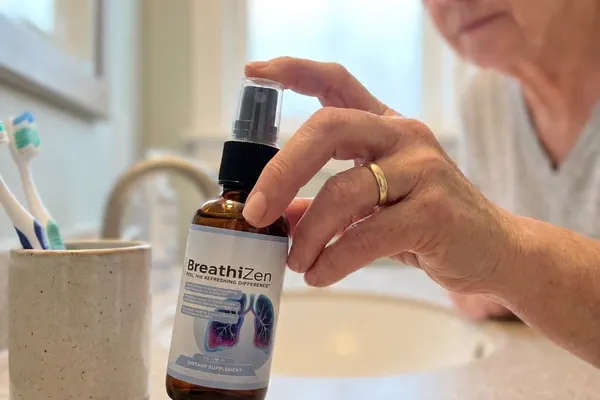
Oral Spray vs. Capsules: Does the Supplement Format Matter?
Oral sprays, capsules, teas and tinctures compared: convenience, dose per serving, taste, absorption claims and how to read the label before you buy.4 min read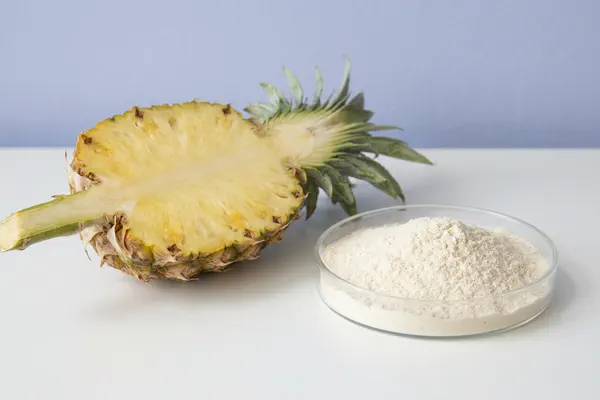 Herbs
Bromelain, Ginger and Mucus: What Actually Helps
Simple ways to loosen mucus, from fluids and humid air to saline, plus what's known about bromelain and ginger, who should avoid them and when to see a doctor.4 min readThis article is general information, not medical advice, and it doesn’t replace a conversation with your doctor or pharmacist. Last updated November 3, 2026. Spotted an error? Write to support@breathizen.blog.