Supplement basics
Oral Spray vs. Capsules: Does the Supplement Format Actually Matter?
Herbal supplements now come as capsules, teas, dropper tinctures and mouth sprays, and brands often claim their format works faster or absorbs better. The truth is less exciting, and knowing it can save you money and disappointment.
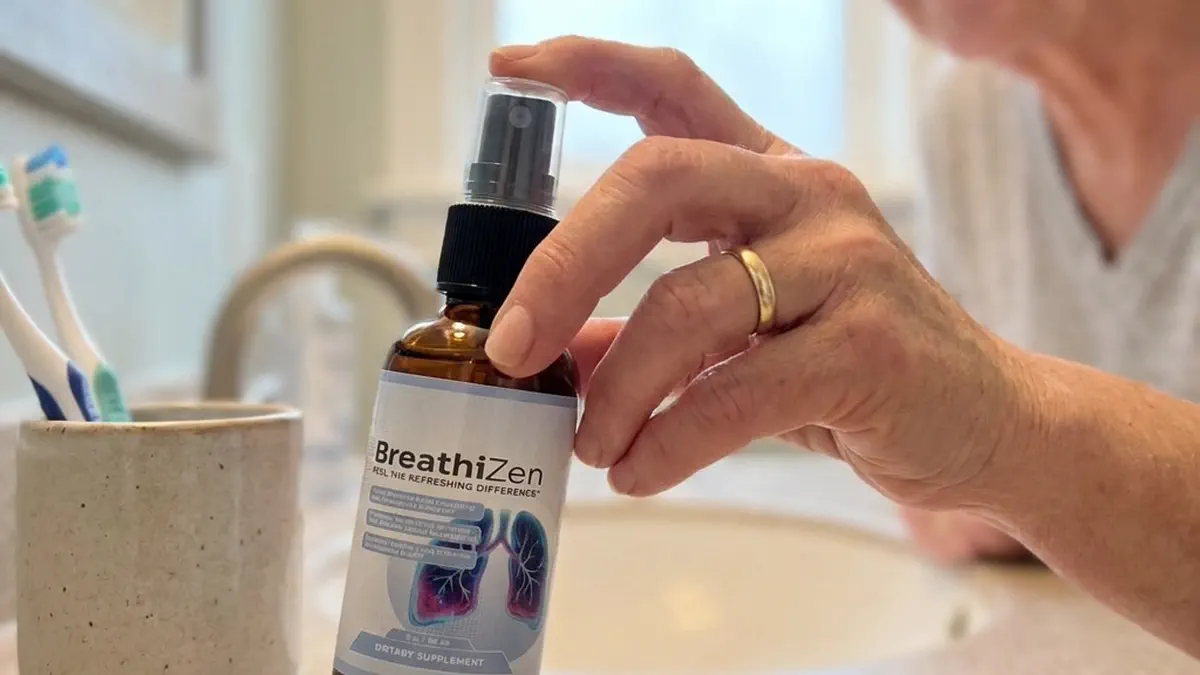
The four common formats
| Format | What it is | Pros | Cons |
|---|---|---|---|
| Capsule | Powdered herb or dried extract in a gelatin or plant shell | No taste, precise dose, can hold larger amounts | Pills can be hard to swallow |
| Oral spray | Liquid extract sprayed into the mouth | Quick, portable, no pills | Small volume per serving, taste, usually a blend |
| Tea | Dried plant steeped in hot water | Inexpensive; a warm drink is soothing in itself | Strength varies; some herbs need careful straining |
| Tincture | Extract in alcohol or glycerin, taken by dropper | Flexible dosing | Strong taste; alcohol-based versions aren't for everyone |
What “absorbs better” really means
Sprays and dissolving products are often described as entering the bloodstream directly through the mouth. A few substances, such as certain heart medicines placed under the tongue, really are absorbed that way. For most herbal extracts, though, there is little evidence that a spray is absorbed meaningfully better than the same ingredient swallowed in a capsule. The amount of liquid in a few sprays is small, and most of it is swallowed within seconds and digested like anything else.
That doesn't make sprays pointless. Their real advantages are practical: they're easy to take, easy to carry and good for people who struggle with pills. Just treat “faster” and “better absorbed” as claims to question, not facts to pay extra for.
Dose per serving is the bigger issue
A capsule can hold several hundred milligrams of powdered herb or extract. A spray serving is a fraction of a milliliter of liquid, so the amount of each botanical depends entirely on how concentrated that liquid is. Neither format is automatically stronger; you have to read the label.
Watch for proprietary blends. When a label gives one total for several ingredients without saying how much of each is inside, you can't compare the product with others or with the amounts used in research.
How to read a supplement label
- Serving size and servings per container. This tells you what one dose actually is and how long a bottle lasts.
- Amount per ingredient. Individual amounts are more useful than a single blend total.
- Extract ratios. A “10:1 extract” means roughly ten parts of raw plant were used to make one part of extract. It describes concentration, not quality or effect.
- Plant part and species. Leaf, root, flower or stem can matter, and so can the exact species.
- Other ingredients. Liquids often contain water, glycerin, flavors, acids and preservatives. Check for anything you react to.
- Allergens and warnings. Pineapple enzymes, mushrooms, citrus and spices are common in respiratory blends.
- Quality signals. Supplements aren't reviewed for effectiveness before they're sold, so look for clear sourcing, batch information and an honest guarantee.
Taste, storage and everyday use
Liquids carry the taste of their ingredients, so sprays and tinctures are usually flavored, and some people still find them bitter or strong. They need a little care, too: shake before use if the label says so, keep the bottle closed and away from heat and direct light, and watch the expiration date. Capsules are more forgiving in a drawer or travel bag, while a small spray kept by the bathroom sink is easy to remember.
Comparing cost fairly
Price per bottle can be misleading. Divide the price by the number of servings to get a cost per day, then compare what each serving actually contains. A cheaper product with a vague blend isn't automatically a better deal than a pricier one with clear amounts, and a fair guarantee is worth factoring in.
Which format should you choose?
- Choose capsules if you want precise doses and don't mind swallowing pills.
- Choose a spray if pills are a problem or you want something quick to keep by the sink or in a bag.
- Choose tea if you enjoy the ritual and the comfort of a warm drink; for mullein, strain it well (see mullein for lungs).
- Choose a tincture if you want to adjust the amount, and check whether it's alcohol-based.
Above all, choose the format you'll actually use consistently, and don't let any format stand in for medical care. If you take medication, show your pharmacist the full label: respiratory blends often include ingredients such as bromelain and ginger that matter for people on blood thinners. More on those two in bromelain, ginger and mucus.
Frequently asked questions
Do oral sprays work better than capsules?
Not necessarily. There's little evidence that most herbal extracts absorb meaningfully better from a spray, since most of it is swallowed. Sprays are mainly more convenient, especially for people who dislike pills.
What is a proprietary blend?
A group of ingredients listed with one total amount instead of individual amounts. It's legal, but it means you can't tell how much of each ingredient you're getting.
What does 10:1 extract mean?
Roughly ten parts of raw plant material were used to make one part of extract. It describes concentration, not quality, and it doesn't tell you what the extract does in the body.
Should I use a spray before or after eating?
Follow the label. Some brands suggest the morning before the first meal, but for most botanicals there's no strong evidence that timing changes much. Using it consistently matters more.
Keep reading
 Herbs
Mullein for Lungs: What This Old Herb Can and Can't Do
Mullein for lungs, explained: what the plant is, how it's used, what the evidence shows, how to make the tea safely and who should avoid it.4 min read Herbs
Bromelain, Ginger and Mucus: What Actually Helps
Simple ways to loosen mucus, from fluids and humid air to saline, plus what's known about bromelain and ginger, who should avoid them and when to see a doctor.4 min readThis article is general information, not medical advice, and it doesn’t replace a conversation with your doctor or pharmacist. Last updated November 3, 2026. Spotted an error? Write to support@breathizen.blog.